ZAMBIA - Experiencing more than just classes as a volunteer
2026-03-20
Seven weeks at St. Francis and Clare School in Lusaka, Zambia
Dr. Heidi Höwer-Fritzen, a retired chemist, spent seven weeks at St. Francis and Clare School in Lusaka, Zambia, where she developed a profound understanding of local circumstances, opportunities and challenges.
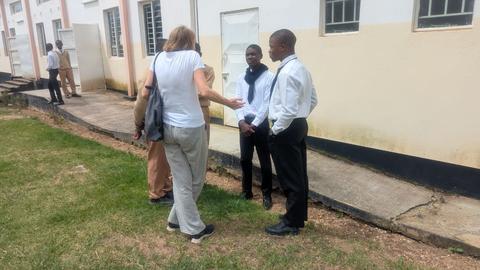
She worked as a volunteer in a variety of different roles, taking on some teaching (especially in chemistry), looking after children at preschool and primary school, offered support and guidance to teachers and the school administrators, taught the rules of basketball and much more. An especially memorable experience was her visit to the homes of students who had recently been included in the school’s scholarship program.
Different impressions
If Heidi were to summarize her impressions, she might start with the new principal of the secondary school, who brings a breath of fresh air into school life and wants to move things forward. Another striking memory comes from the families who spared no expense in scraping together the money needed to send their children to school – and who are helped by the Foundation’s scholarship program. And it was encouraging for her to see what happens when ambitious young people are brought together with motivated teachers, who sometimes applied surprising methods to help create understanding about complex topics.
A principal who makes things happen
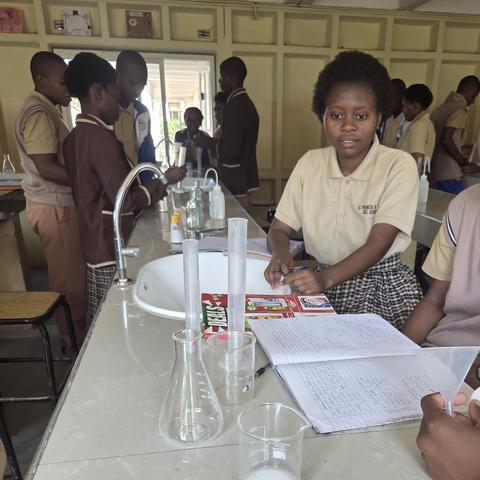
Ms Moonga is the new principal of the St. Francis and Clare Secondary School – and there’s no stopping her. She wants to make sure her school has the proper equipment, especially when it comes to science classes. Shortly after she took up her new position, she had flooring renovated.
The input of Heidi Höwer-Fritzen as a Ph.D. in chemistry was very helpful in suggesting specific ways to improve and expand upon the lab and what it needed: working water faucets, more suitable material for experiments, fewer workarounds. The school will implement comprehensive improvements in the coming months.
Visiting our scholarship students at home
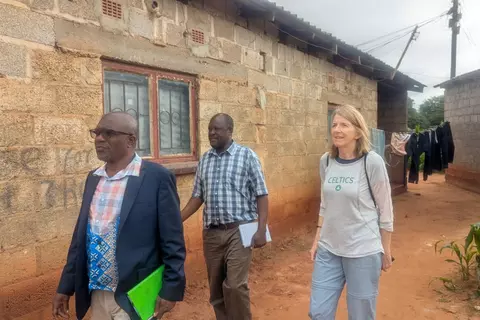
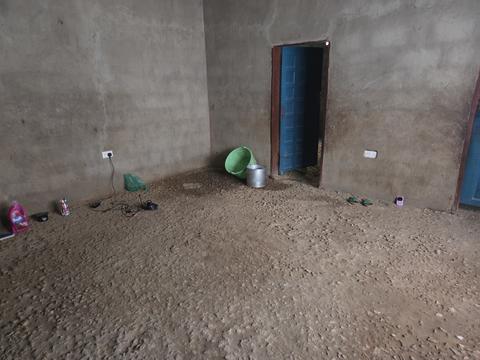
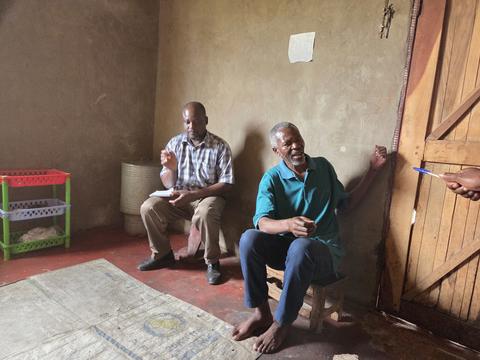
Our scholarship recipients are carefully selected by their class teacher and a committee, and we as their sponsors generally get to know them via profiles, pictures and the occasional letter. But Heidi Höwer-Fritzen had the chance to visit some of the children at their homes. The need for financial support became very clear again in the course of these visits.
Many of the young people come from very difficult family circumstances. One boy‘s mother sold all of her furniture to raise money for tuition, while another girl lives with her father and sleeps on a bed of sewn-together plastic cornmeal sacks. The thing which these families have in common, however, is their desire to send their children to school, even if this involves great sacrifice for them. And what the young people have in common is the goal of attending school, pursuing a profession, becoming independent as well as opening up better future perspectives for themselves and their families.
The
The potential of the young
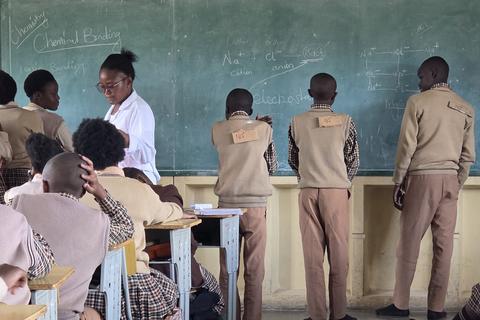
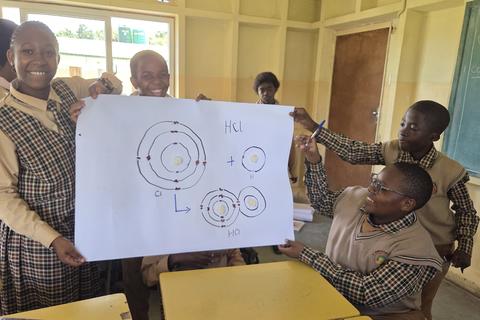
Heidi Höwer-Fritzen was able to experience classes of all kinds, both at the St. Francis Primary School as well as at the secondary school. Many teachers apply creative approaches to compensate for their lack of equipment. One chemistry teacher demonstrated ionic bonding with a “self-experiment” involving her students.
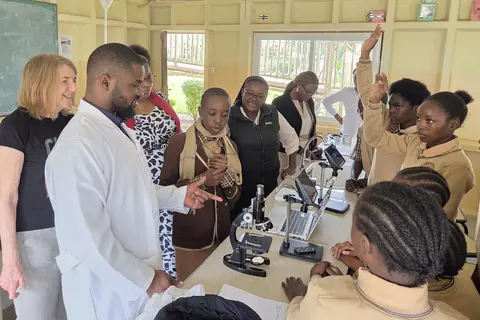
STEM subjects are given great priority at St. Francis and Clare. Heidi Höwer-Fritzen carried two electronic microscopes in her suitcase for use in chemistry class. These gifts from the Umckaloabo Foundation will open up new opportunities in the lab.
Scholarship sponsors help make sure that
Dialogues and encounters
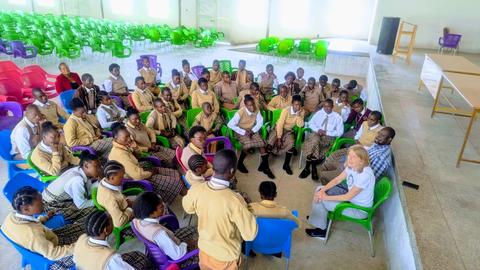
Every day offered new opportunities for informal encounters with teachers and students during the breaks or in the afternoons. And sometimes there were larger gatherings as well in which the young people wanted to ask the German visitor all sorts of questions. Above all, the scholarship recipients wanted to know why people in Europe were interested in providing financial aid to students in Zambia. They were also fascinated by stories about life in Germany and working in an international company.